
The Wishbone Chair changes its seat
Carl Hansen & Søn has introduced a leather-seat CH24. Wegner’s familiar frame stays; the change is in the place we sit.

A Wishbone Chair is recognisable from behind: a broad curve of wood held by the Y-shaped backrest. The seat is just as much a part of its identity. On the standard CH24, paper cord is woven by hand into a close, orderly surface. Carl Hansen & Søn now offers a version in leather, shifting attention to the part of the chair one actually sits on.
Wegner designed the CH24 for the Danish maker in 1949, and it entered production in 1950. The company says each chair takes more than 100 production steps; weaving the usual seat uses roughly 120 metres of paper cord and takes about an hour. Those figures matter because the woven seat is not an incidental finish. Its pattern and the work behind it have long helped define the chair.
The leather-seat selection comes in four shades across seven specified variants. Paper-cord versions remain in the collection: this is another way to buy the CH24, rather than a replacement for the original seat.
Leather does not redraw Wegner’s backrest or alter the sweep of the arms. It changes the chair at its most immediate point of contact: an open weave gives way to a continuous surface. The edit is small, but the material of the seat has never been a minor detail of the CH24.
C33’s earlier essay followed the CH24 from an everyday seat to a design object people might hesitate to use. Here the question returns to sitting. Paper cord shows its making in every strand; leather offers another surface to live with. Which one belongs at your table?
Sources & further reading
- Carl Hansen & Søn · CH24 product history and construction ↗
- Carl Hansen & Søn · Leather-seat CH24 campaign ↗
Keep reading
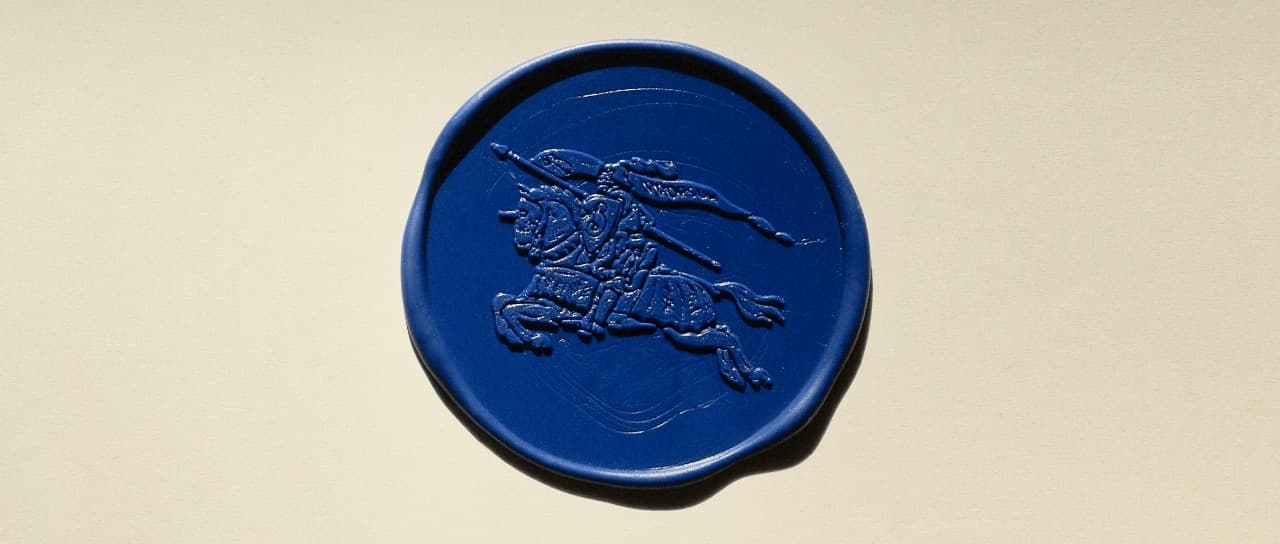
The knight beyond Burberry’s wordmark
From the TB monogram on a 2018 T-shirt to the knight on a 2026 bag, Burberry’s marks have changed places as well as forms.
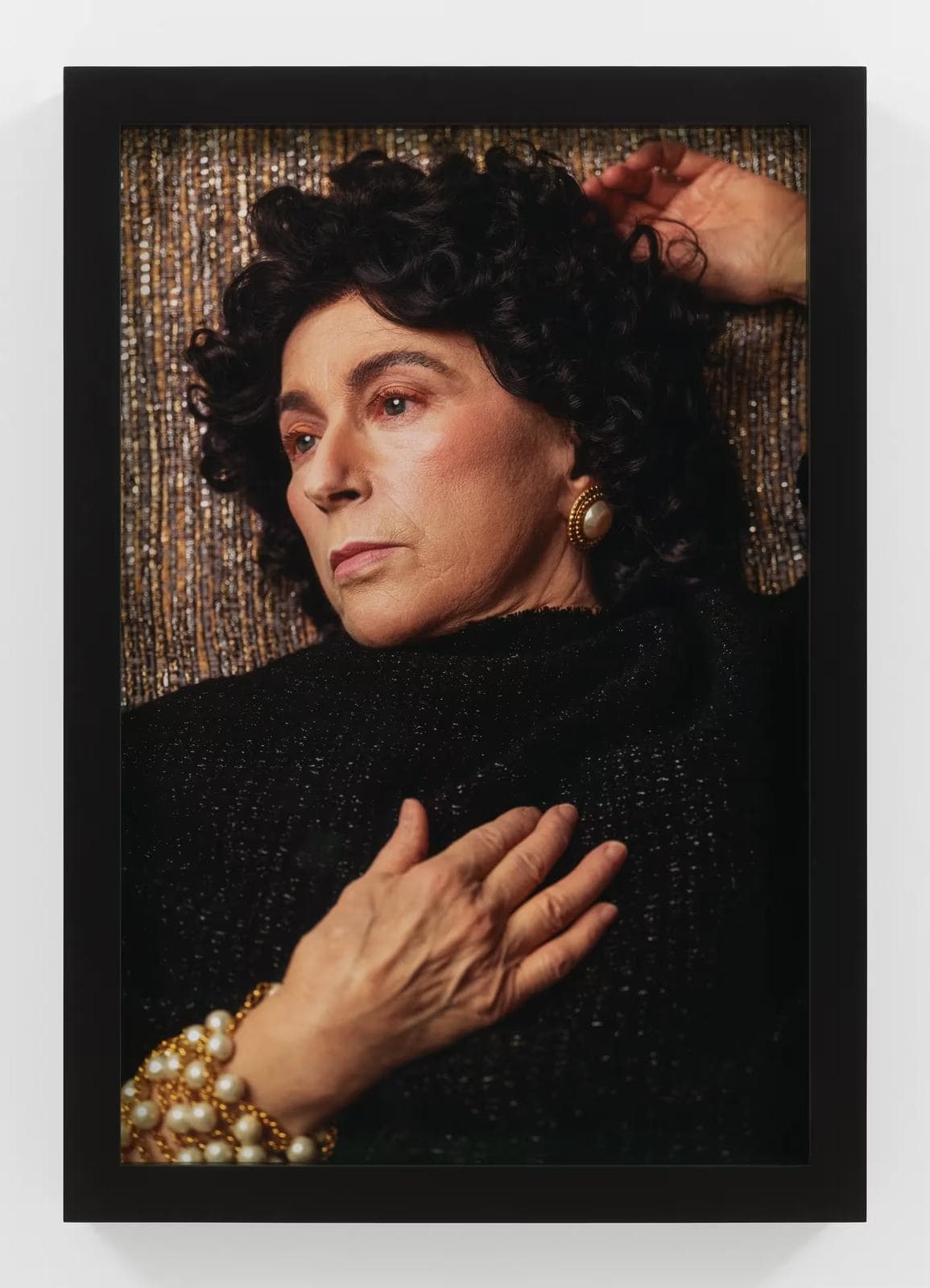
Cindy Sherman, dressed to disappear
In Fabric Matrons, fabric is both costume and setting. Sherman uses fashion’s polished surfaces to examine what it means for a woman to be seen as she grows older.
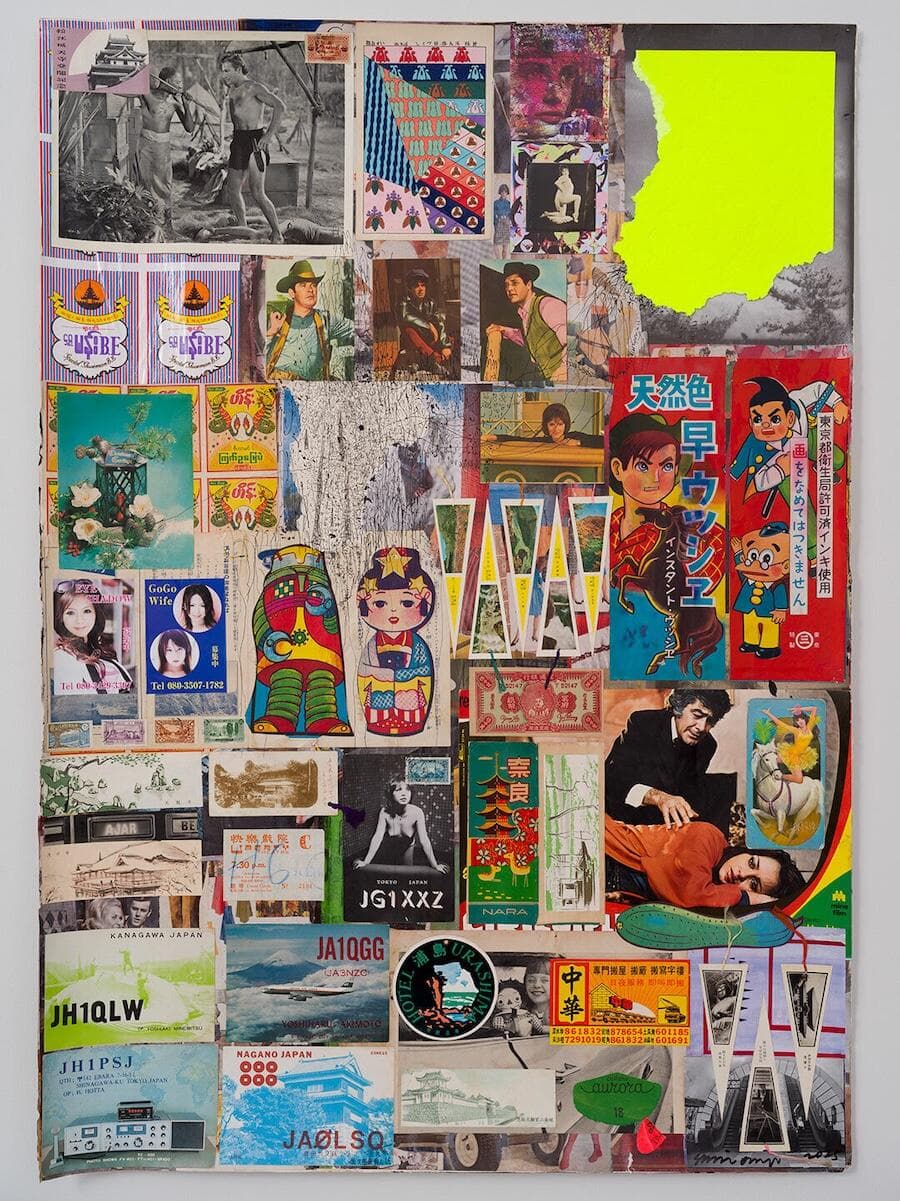
Frieze London: from scrap metal to ink in The Code Universe
In Carol Yinghua Lu’s curated section, Shinro Ohtake, Selma Selman, Oototol and Payne Zhu approach popular culture through very different materials.