Two windows, two ways of speaking
One window assumes a shared memory; another tells a story. An archive commentary on the language of display.
In Paris, the shop window practises understatement. A bag on a plinth, light falling at a low angle, a monogram reduced to a whisper. The house does not explain; it assumes. This is a real elegance—and sometimes the comfort of a story that no longer needs writing, because someone else has already written it.
In Shanghai, the same house chooses to make its case. Craft is displayed, history is told, the work of the hand is made visible. This is not the embarrassment of a market unsure of itself, but a culture that prefers to show rather than imply, to pass on rather than presume. A window that takes the trouble to address you may, after all, be treating you with greater respect.
Put simply, these are two equally valid grammars of desire: one relies on memory, the other on sharing. If we want to see where luxury’s story is being rewritten, we might look at the window that still speaks—not because it has something to prove, but because it still has something to say.
Sources & further reading
View the original publication ↗Keep reading
Très Parisien: style, printed by hand
The fashion plate as a way of looking: returning to a magazine whose colours were applied through stencils.
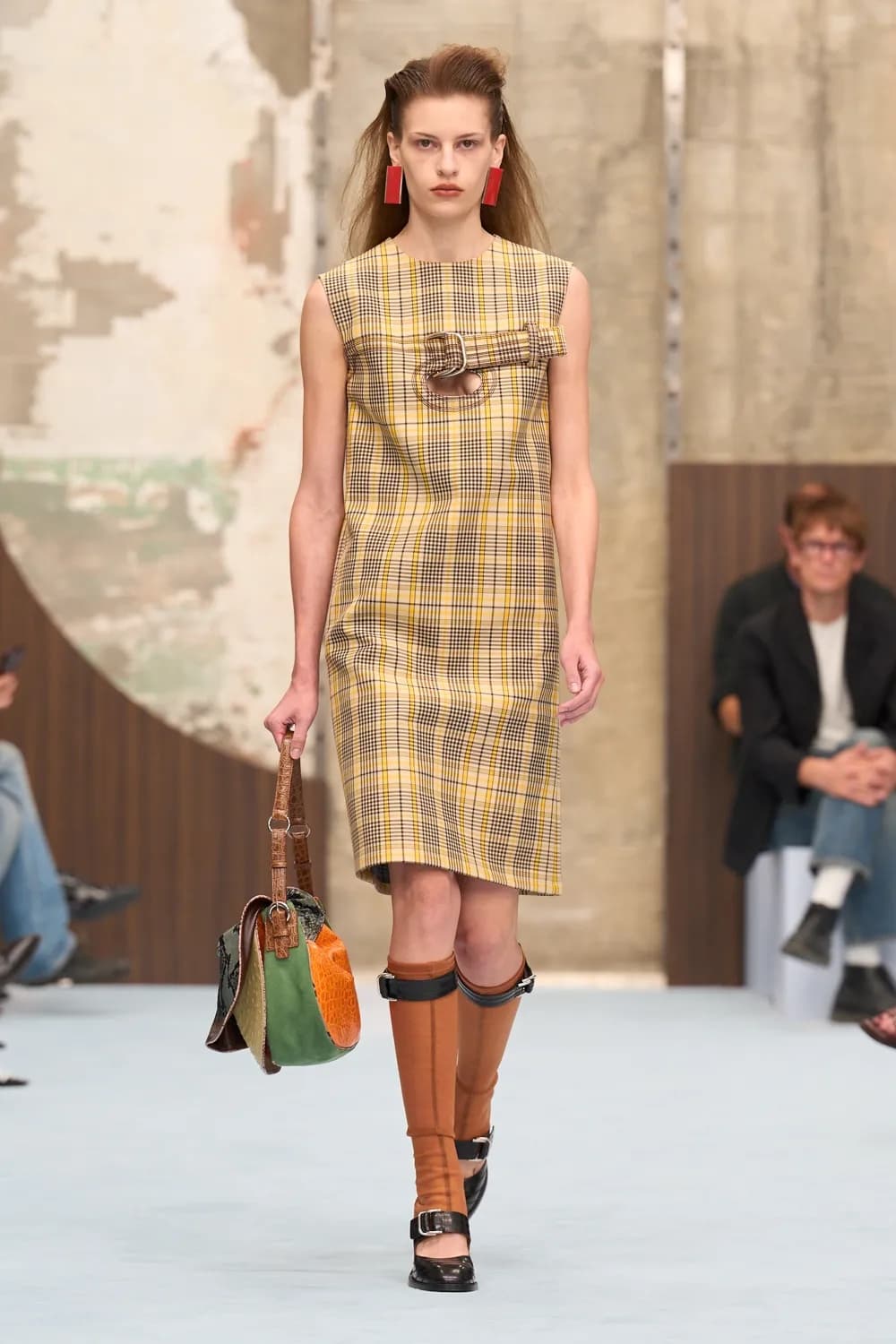
Marni: checks and contrasts
Yellow checks with orange boots, khaki with a bright orange top: a look at colour and proportion in three outfits from Marni’s Spring/Summer 2027 collection.

Song Weilong heads to Milan in Gucci
A dark jacket, a white T-shirt and a red-and-green strap: the details of a departure look.