
FASHION / ANALYSIS · SPRING–SUMMER 2027
Fashion Month’s Thai Front Row
From Dior to Miu Miu, Thai performers were a visible part of this season’s show circuit. Their presence reveals how fashion’s guest lists are changing—and what a front-row seat can, and cannot, deliver.
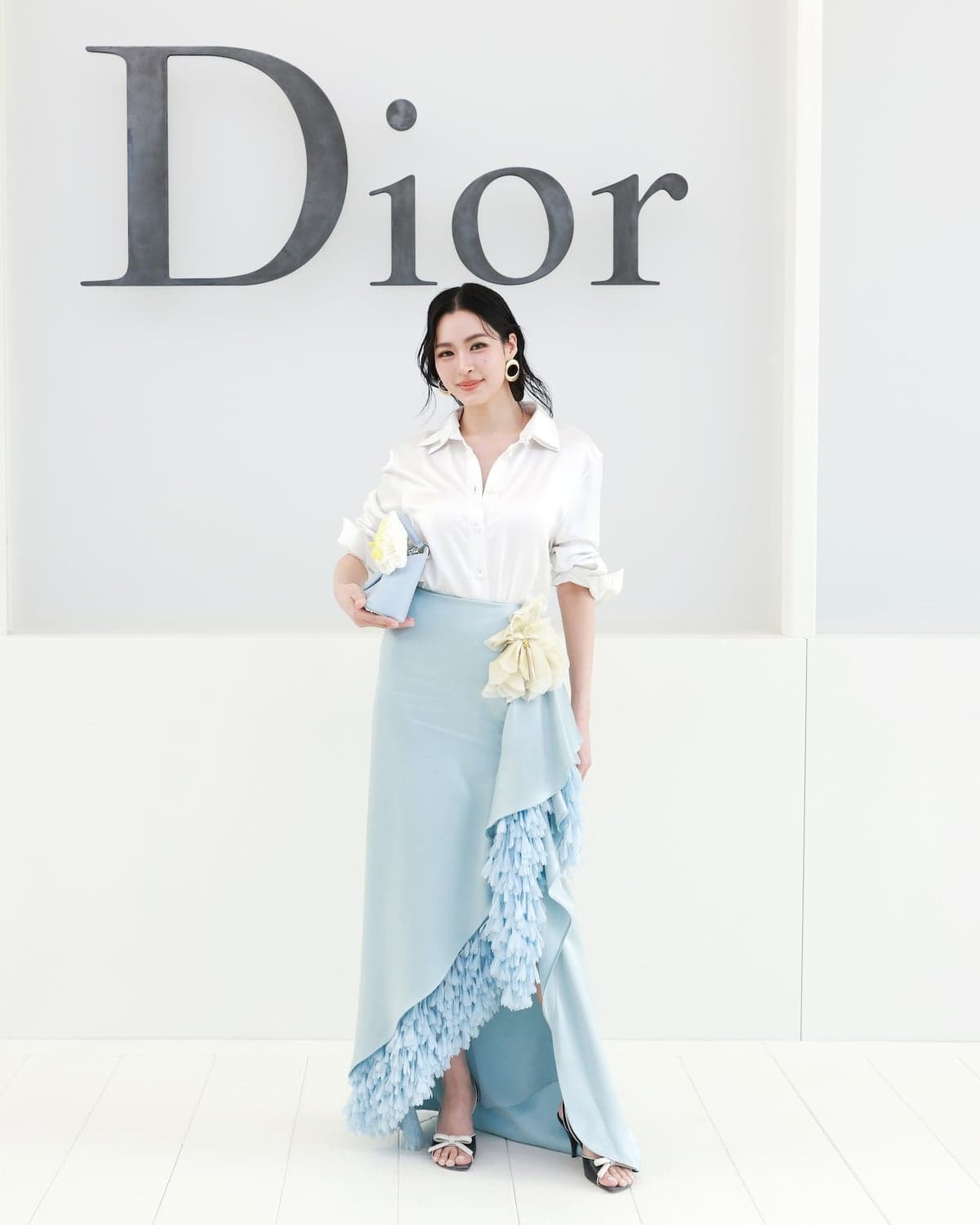
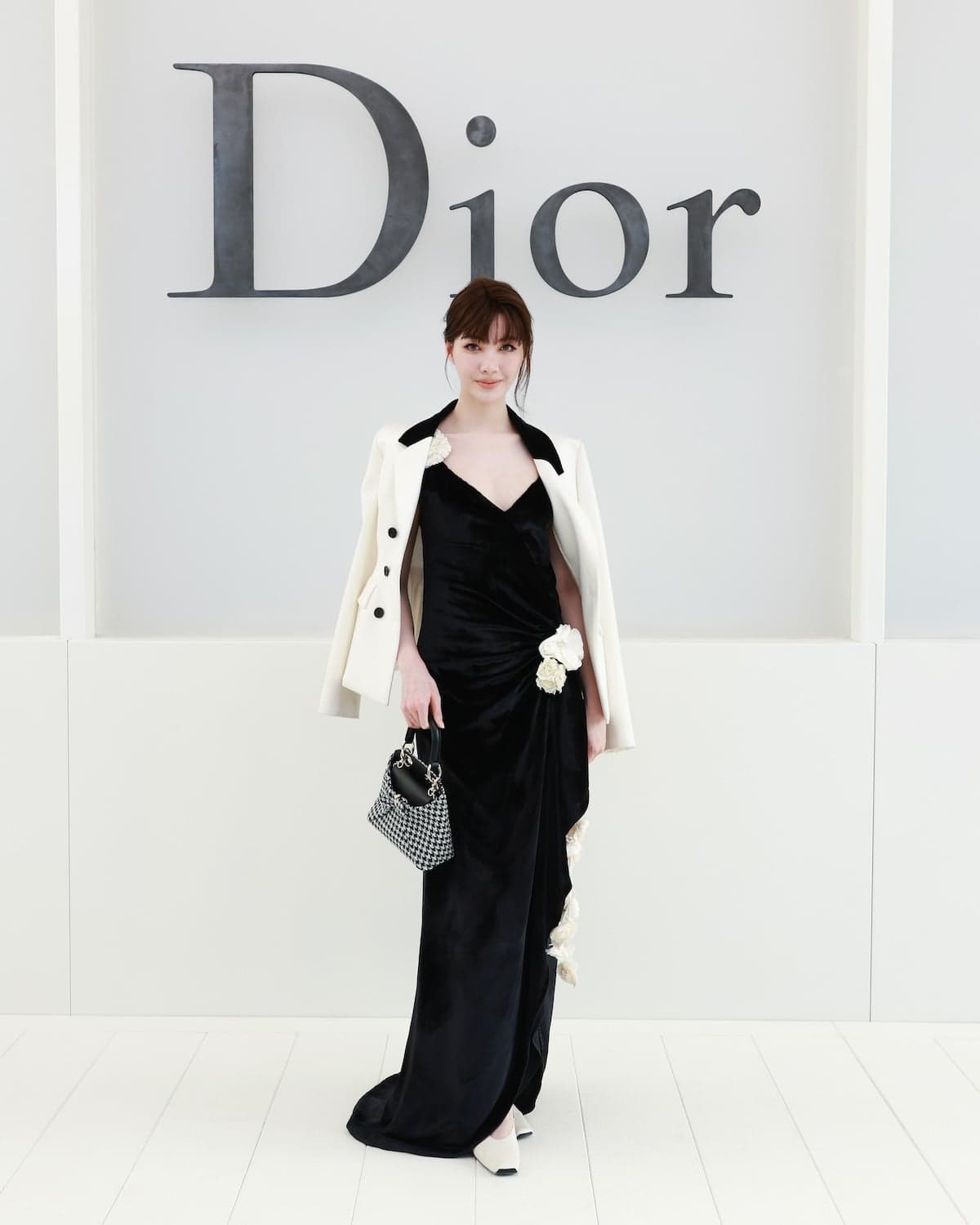
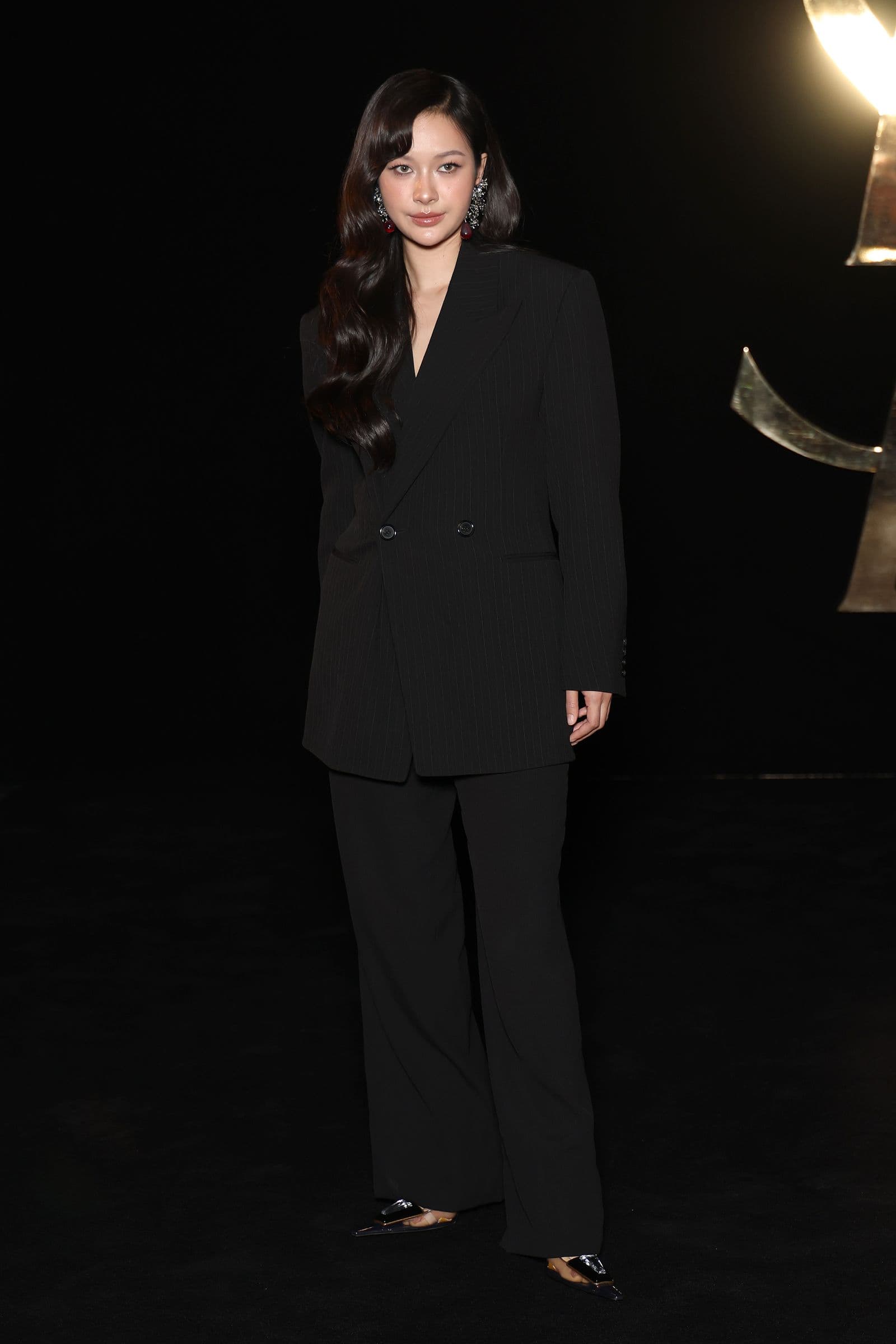
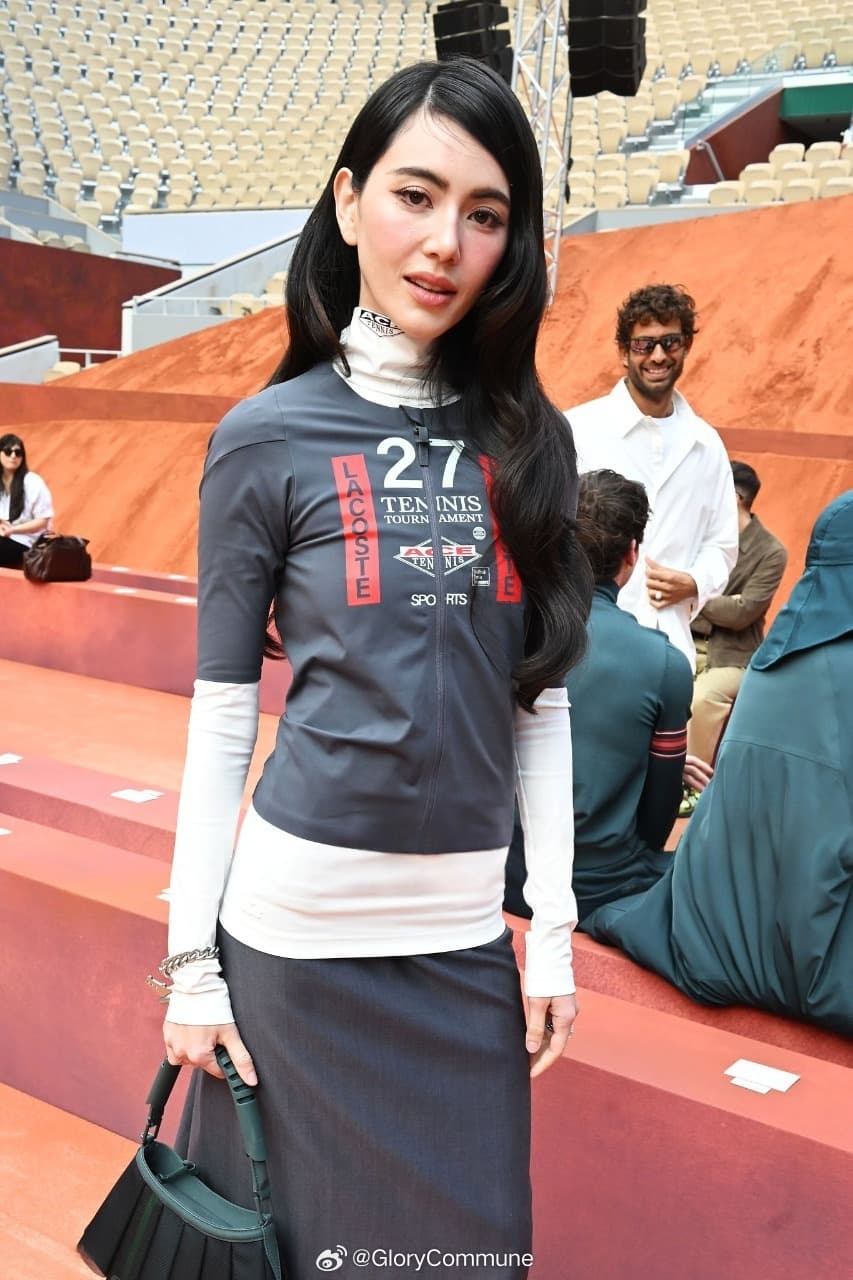
At the Spring–Summer 2027 shows, Thai performers appeared across very different front rows. Lingling Kwong and Orm Kornnaphat attended Dior; Milk Pansa was at Saint Laurent; Freen Sarocha appeared at Valentino; Becky Armstrong and Minnie were at Miu Miu. In the final days of Paris Fashion Week, Mai Davika attended Lacoste, while Lisa joined the guests at Louis Vuitton. Seen together, the appearances suggest a broader change in whom fashion houses expect their shows to reach.
The temptation is to count seats and declare a new hierarchy of Asian celebrity. That would tell us little. A show invitation may lead to a photograph, a social post, a press mention or a longer relationship with a house. Those are different outcomes. What this season makes clear is that Thai talent is no longer an occasional addition to the guest list; several performers arrive with audiences already organised across borders and platforms.
The audience travels with the guest
Thailand’s television industry has spent years building international followings for its actors, particularly through boys’ love and girls’ love series. Subtitled releases, fan meetings and social media allow a show’s audience to continue following its cast well beyond the original broadcast. For a fashion house, an invitation can therefore move through more than the usual fashion press: fans document the arrival, circulate the look and keep discussing it after the runway has been packed away.
That does not mean every Thai star offers the same audience. Lisa’s reach, built through Blackpink and a solo career, belongs to a different career path from that of a television actor. Nor does a large online response, on its own, show what a partnership sells. It does show why the front row has become part of a collection’s distribution, with the people watching the show also shaping who sees it.
When two names share a frame
Lingling and Orm offer one of the clearest examples of the pairing model. Their work together gives fans a reason to follow both; Dior has also named each actress an ambassador of the house. At its Spring–Summer 2027 show, their presence spoke to an existing relationship, rather than an invitation being treated as proof of one.
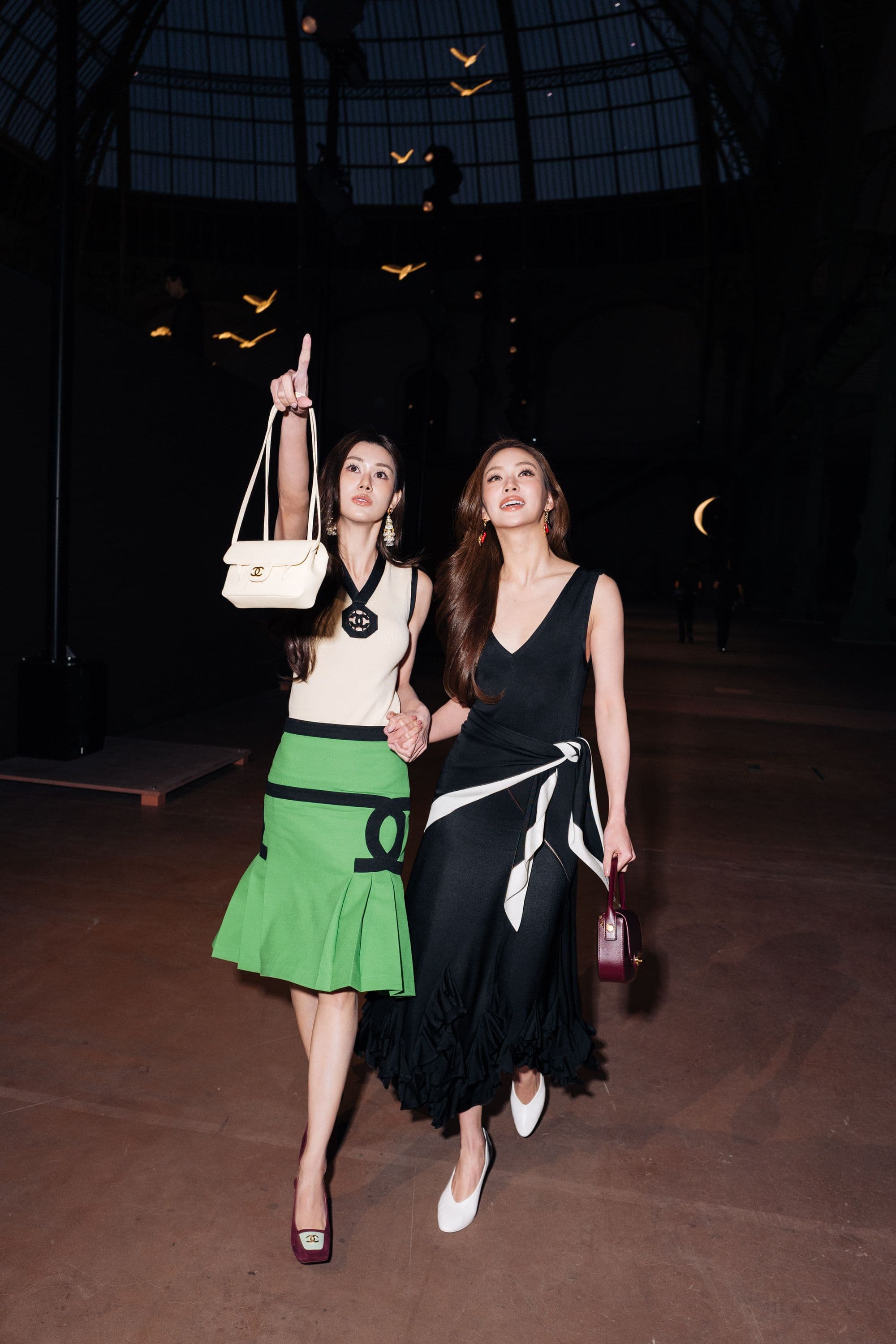
There is an obvious appeal to presenting two performers together: a shared photograph carries an established story and can reach overlapping communities at once. Lena Lalina and Miu Natsha appeared at Chanel this season, another example of a pair travelling together through fashion’s guest lists. Yet a pairing is only one part of an artist’s identity. The more interesting test is whether each person can develop a point of view in clothes beyond the roles and relationships that first brought an audience to them.
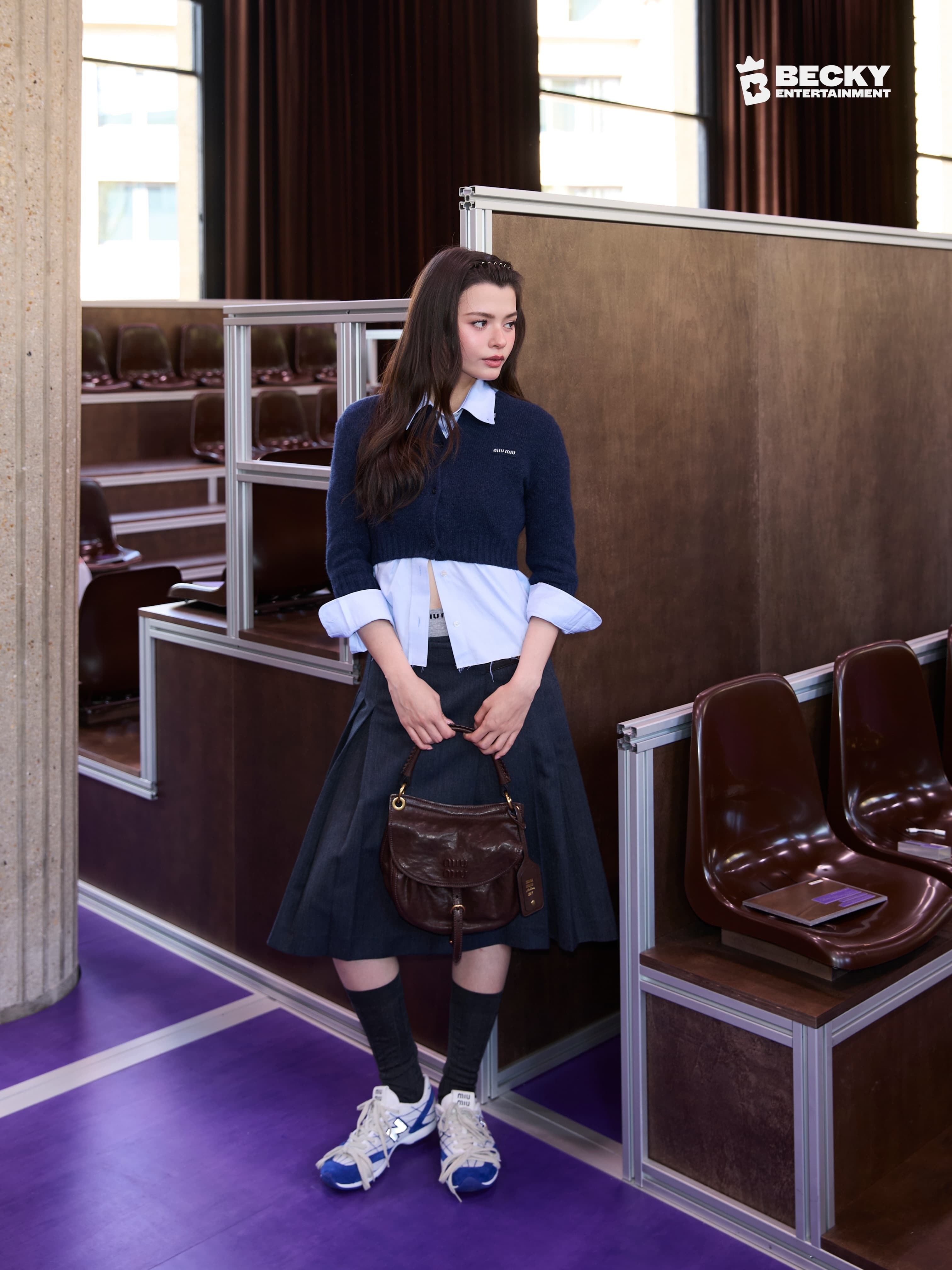
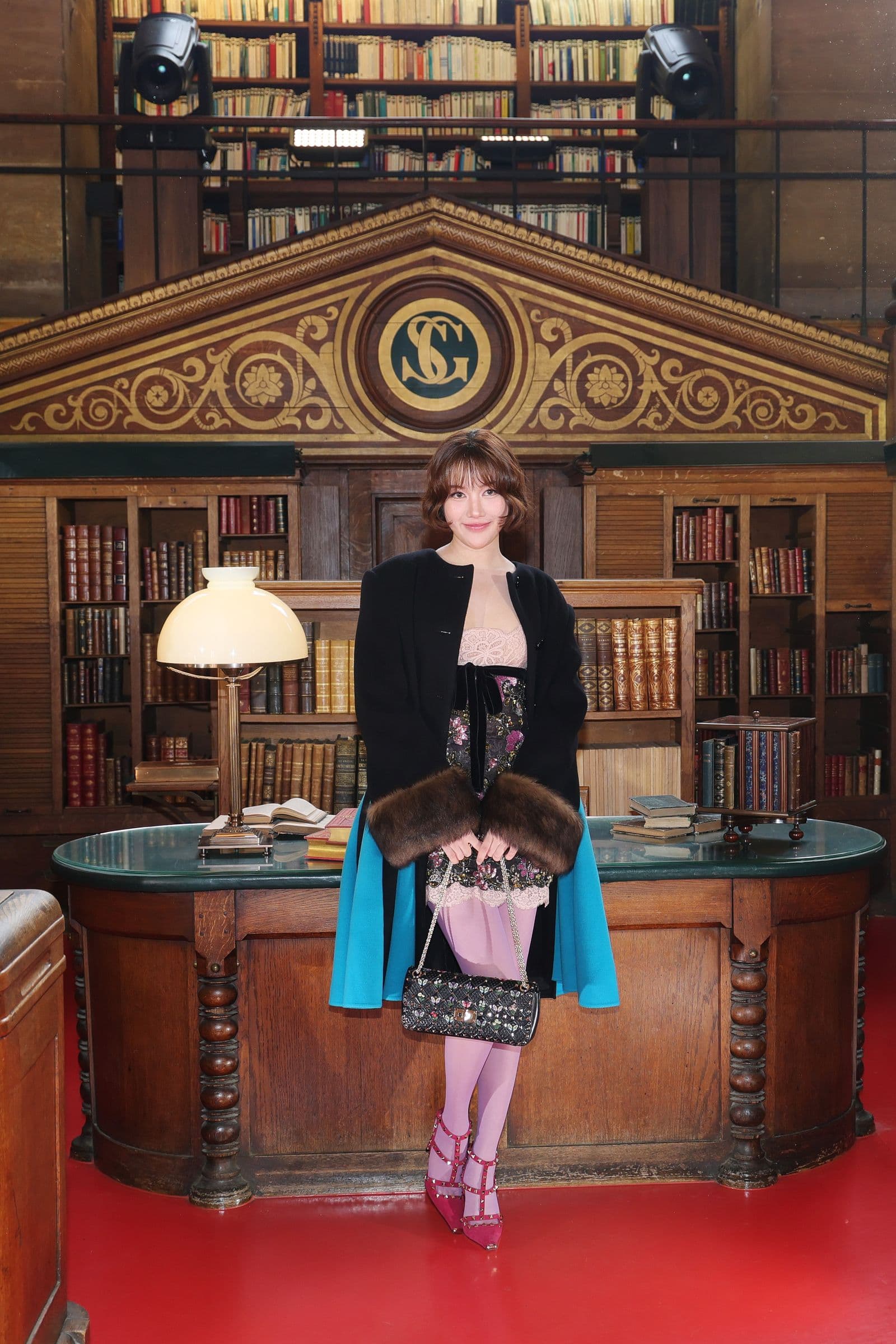
Becky’s Miu Miu look offered a useful reminder that the clothes still matter. A navy knit sat over a white shirt, with its cuffs and hem left visible; the bag, socks and trainers kept the outfit in the brand’s offhand register. It was legible as a Miu Miu look without requiring a spectacle outside the show. Freen’s Valentino appearance made a different case: embroidery, a dark outer layer, pink tights and flashes of bright blue held their own against the ornate setting.
From invitation to identity
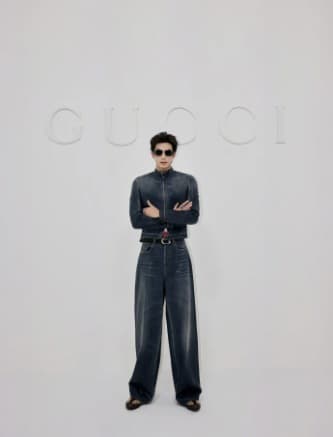
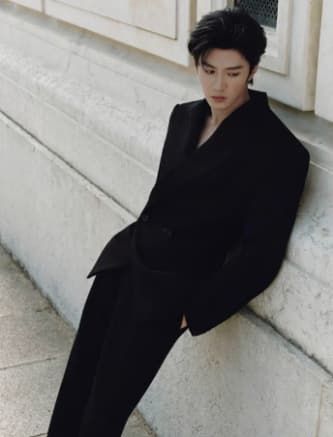
Fashion week can make a career look settled in the space of a few photographs. In practice, an invitation, a campaign and an ambassadorship carry different commitments. It is too early to read every front-row appearance as a lasting shift in a house’s strategy—or as evidence that Thai performers have displaced their counterparts in China, Japan or South Korea. Chinese actors Song Weilong and Chen Zheyuan, for instance, were also visible at Gucci and Saint Laurent. No public comparison of fees, sales or the value of these appearances supports a national ranking.
The stronger story is about range. Thai performers are appearing at heritage houses, designer labels and sportswear brands, with different kinds of careers behind them. Mai Davika’s Lacoste look, worn at Roland-Garros, belonged to another fashion language altogether: a fitted, tennis-inflected top and long skirt rather than the red-carpet dressing often associated with celebrity appearances at the shows. A front row with room for those differences is more revealing than any national tally.
The question after fashion month is less who occupied the best seat than what follows it. A performer may bring viewers to a show; keeping their attention calls for stronger work, more considered styling and a relationship with fashion that can survive the next cycle of invitations. Thai talent has made its presence difficult to miss this season. The lasting part of that story will be written after the cameras leave the front row.